Buying Records in the Modern Age
For those trying to build or rebuild a vinyl LP record collection, the market is a tough one to navigate: older pressings, particularly desirable “grails,” are extremely expensive if in clean playing condition, and top tier modern reissues have also gotten pricey. Is there a sensible path one can plot to acquire high quality, sonically satisfying records in today’s market?
Most “guides” are simplistic in the extreme or provide a “buy this” type conclusion– often favoring the latest audiophile release. Getting into the minutiae of dead wax, pressing plant nomenclature and the sourcing of the “master” and steps from source to lathe seems overwhelming. Rather than rely on some easy to apply rule of thumb, one can adopt a framework that takes into account multiple factors– those typically recognized by knowledgeable collectors. One age old trick is to seek out “sleeper” reissues that utilize the same metal work as more desirable early copies. But even that is overly simplistic– the metal parts may be worn, the quality of the vinyl used inferior and the processes used to manufacture and package the record lead to damage. A discriminating, value conscious buyer needs to connect the physical attributes with anecdotal assessments of sonics– and that’s where most of the rudimentary guides fail. This article attempts to address those failings, and provides selection criteria and a methodology that you can use to sort through the thicket.
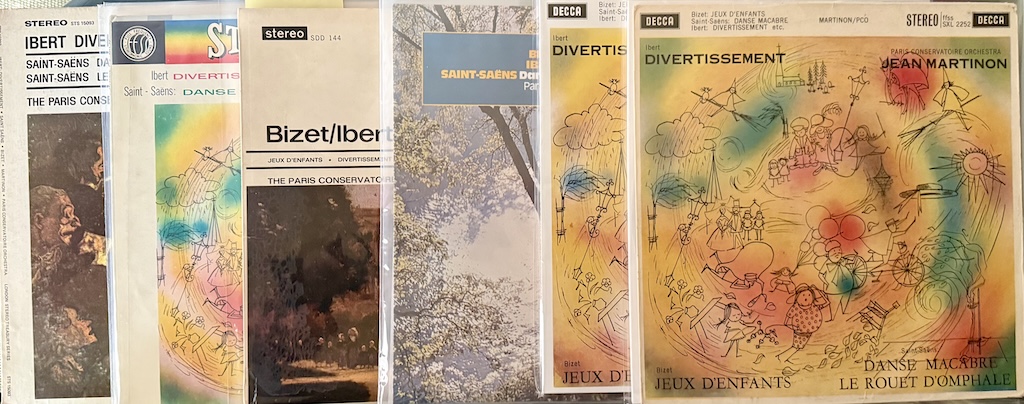
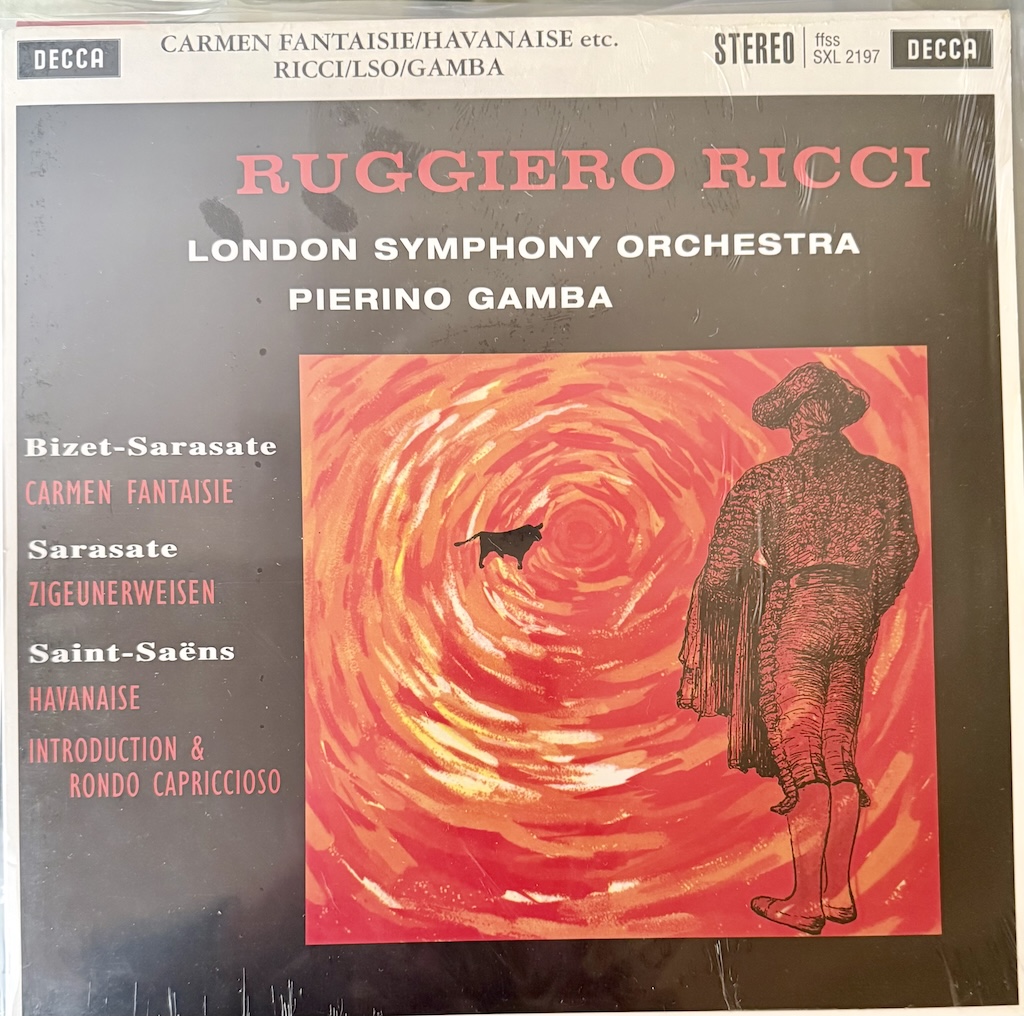
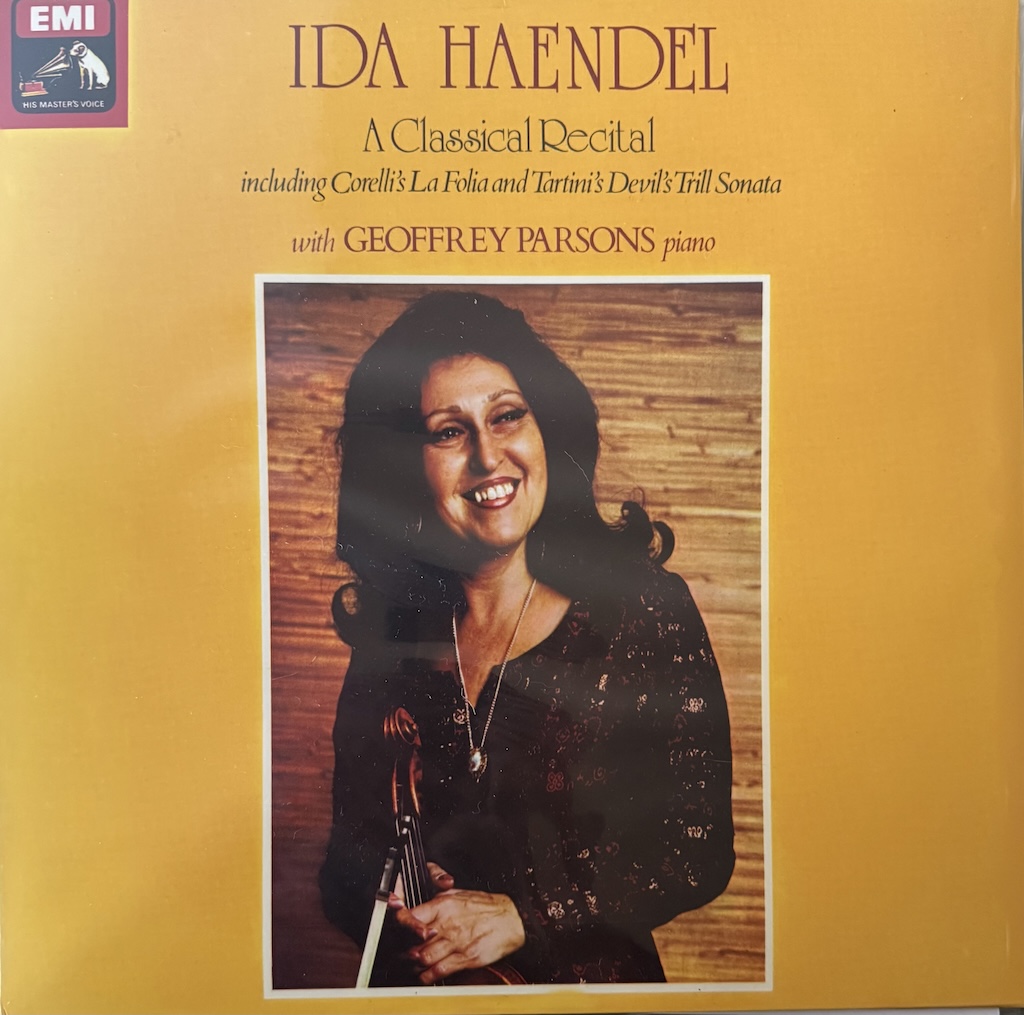
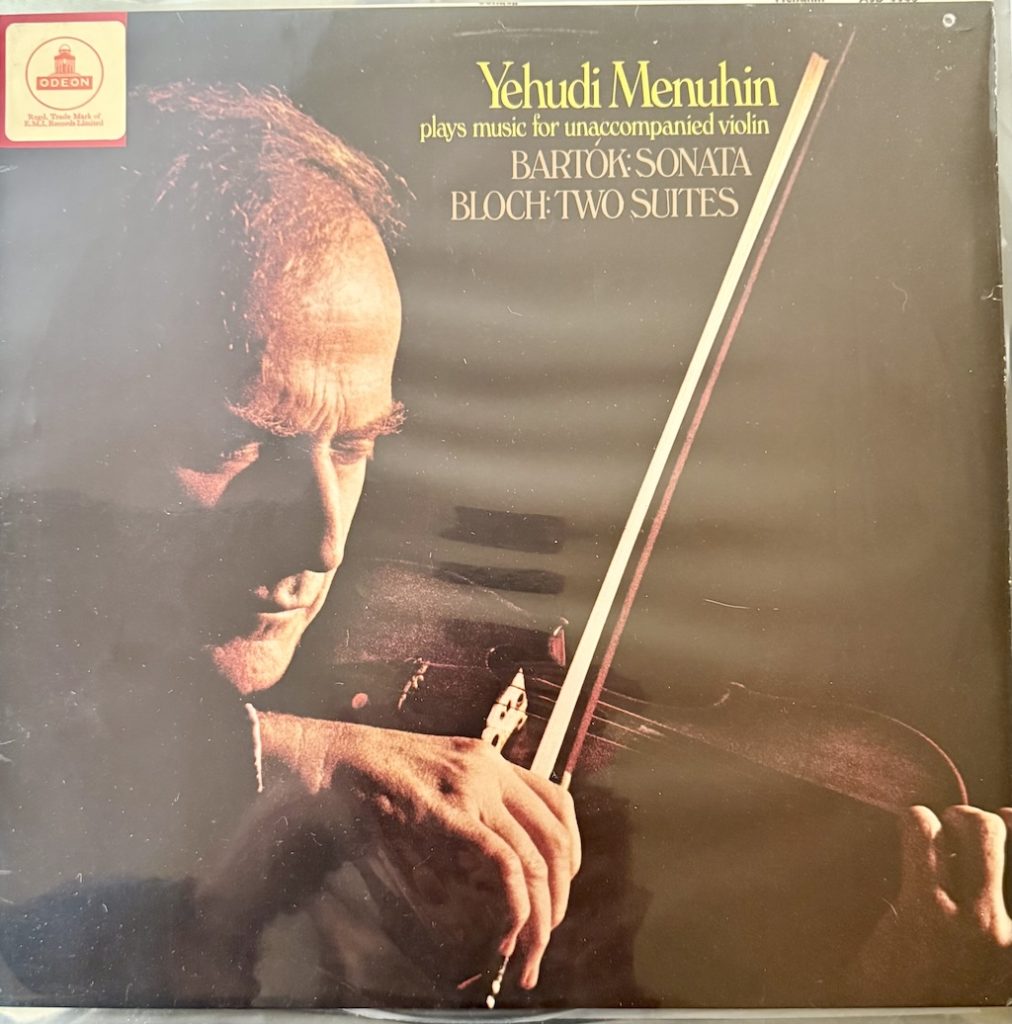
I am including some photos of recent acquisitions—an interesting mix of “original” or OG pressings (more about that below) and reissues/remasters that I may address in more detail in the future. Both hi-fi systems here in Austin are now in a state of partial disassembly, for an upcoming relocation. More about that soon.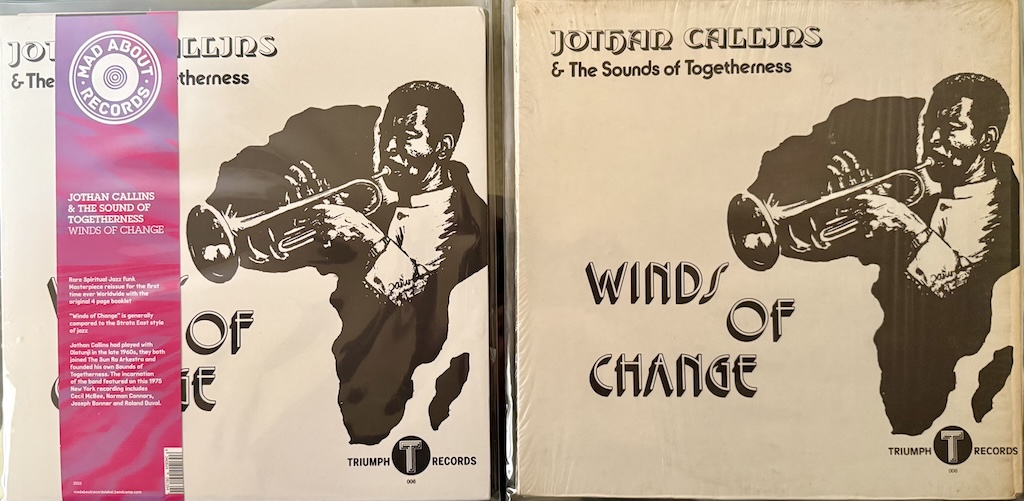
Direct Comparison of Multiple Pressings
I’ve been trying to reconcile the modern market for vinyl records with my history-based approach to provenance, identifying each pressing with as much exactitude as possible. Tying these different pressings to their sonic performance requires further work (unless you rely on ad copy or someone else’s opinion). I have long followed the approach of comparing multiple different pressings of the same recorded performance on a known system to evaluate the different shadings of sonic “truth” each one brings. I’m far from an absolutist but believe people reach consensus on “top” copies even if there are some differences in preferences. 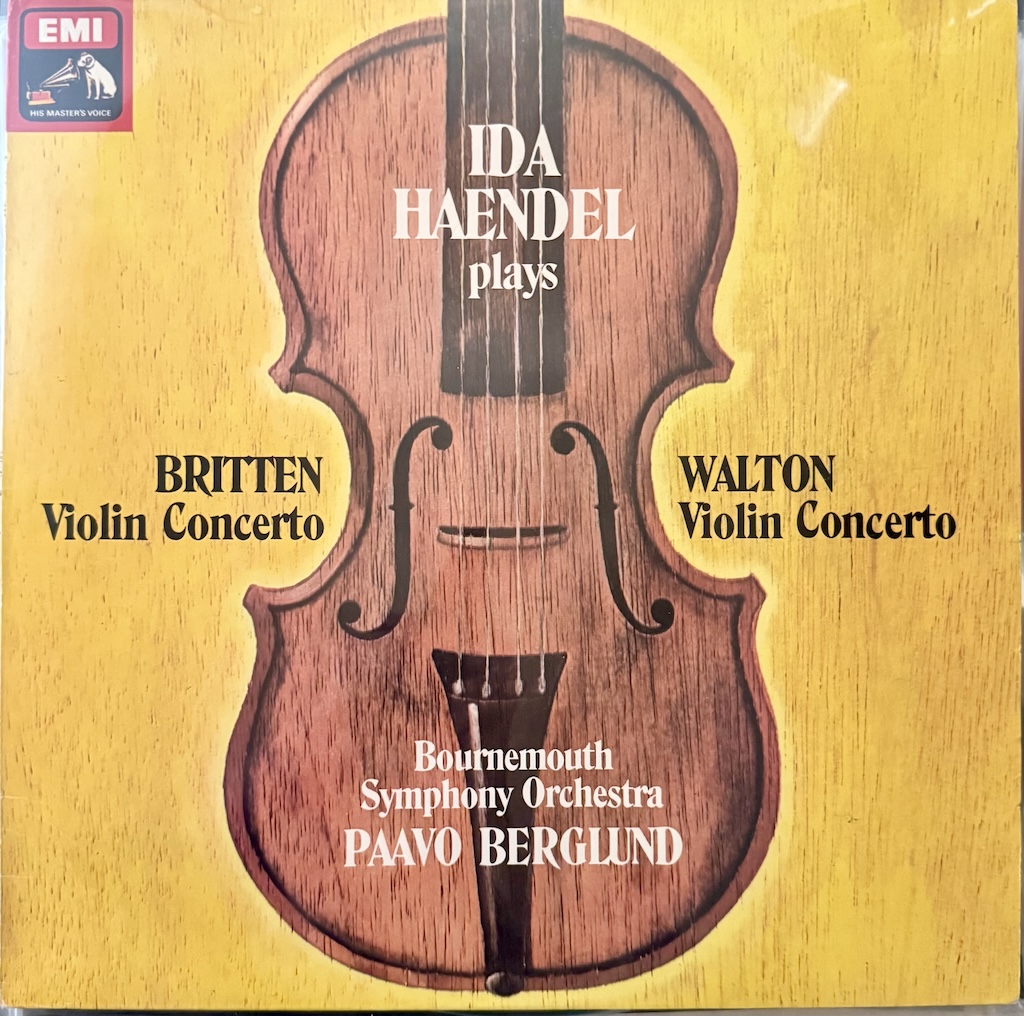
Simple Protocol
The protocol for such “tests” is not “blind.” It does not involve quick switching among recordings digitized to a secondary medium. Instead, actual needle drops are done of each record, listening to prolonged passages, movements or full tracks or sides. Levels are matched for differences in loudness attributable to how “hot” a particular record is cut based on a quality sound pressure level meter using a “C” weighting.
All records involved are subjected to the same cleaning regimen and ideally, were obtained as clean, unmolested examples that did not exhibit groove damage or noise.
“Best performing” in this context usually meant the record that sounded the most like a real performance of actual instruments. Program content varies—acoustic instruments– playing classical music or small combo jazz, all minimally mic’d with limited post-production processes are ideal for such assessments. Almost every conceivable genre has undergone such comparisons since listening was never confined for enjoyment purposes.
These comparisons have been done over the years on my own systems – until recently, two very different set ups–as well as on friends’ and dealers’ systems, and in informal listening groups, as well as solo. Listeners were free to take notes during a listening/comparison session (I almost always did so). There could be more than one preferred result in a group setting, and that could vary over different tracks. Sometimes, I did run offs to narrow a large field, but as a reality check, would go back to the “excluded” entries to verify what I was hearing. This obviously takes time, something in short supply in our modern age.
Although differences among pressings were readily discernable, the preferences were often expressed in terms of personal taste or slight shadings of difference- a crisper portrayal percussion instruments, or more pronounced body to a singing voice. See, for example the shoot-out of In the Court of the Crimson King-Wilson 50th Anniversary mix. Some comparisons were more dramatically tilted in favor of one pressing—the LZII RL (Ludwig) cut comes to mind as a hands-down favorite in any number of different comparisons over the years. See also, the shoot out of Atomic Rooster- Death Walks Behind You. There were also records that sounded flat, dead and different pressings/masterings did little to fix the problem. Some are notorious, e.g. the Blind Faith album- the UK is better but the cymbals still sound like trash can lids and the overall sound is dull.
In somes cases, for example, a first UK of In the Court, is typically going to have some mild surface noise during soft passages. That Ludwig cut of Zep II is now stratospherically priced as a “grail” (it was merely “expensive” a decade or two ago) and the Atomic Rooster first UK press is far more bombastic sounding than its US counterpart. That early UK pressing is very hard to find as a quiet copy. Each album is different so there isn’t a general rule to follow on OG v. reissue/remaster.
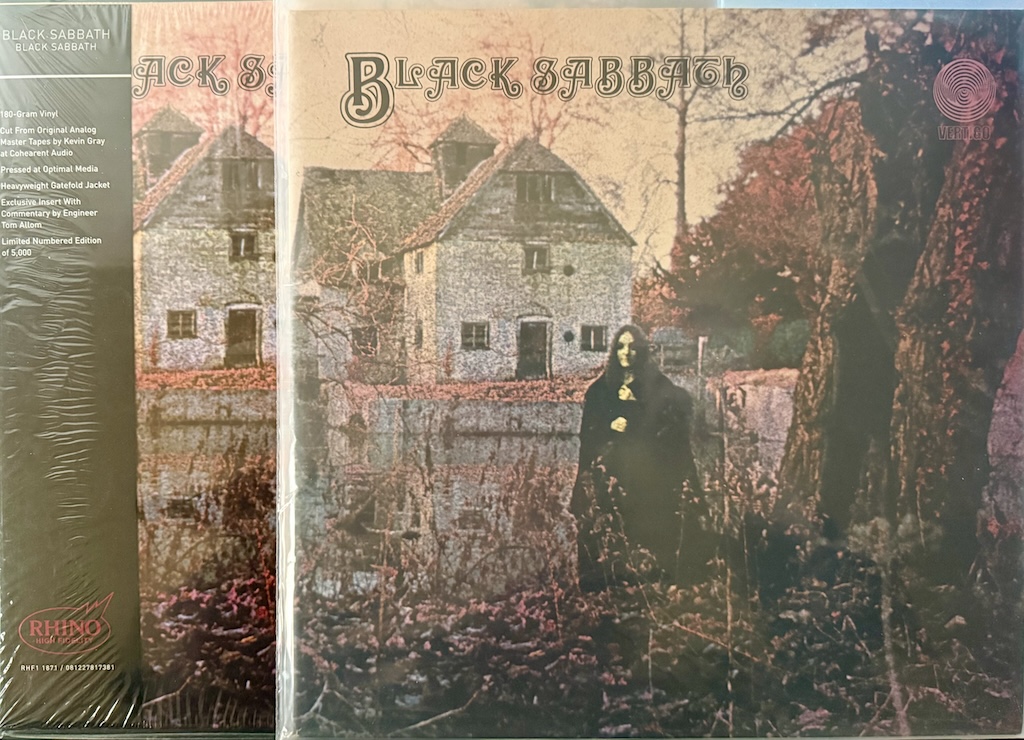
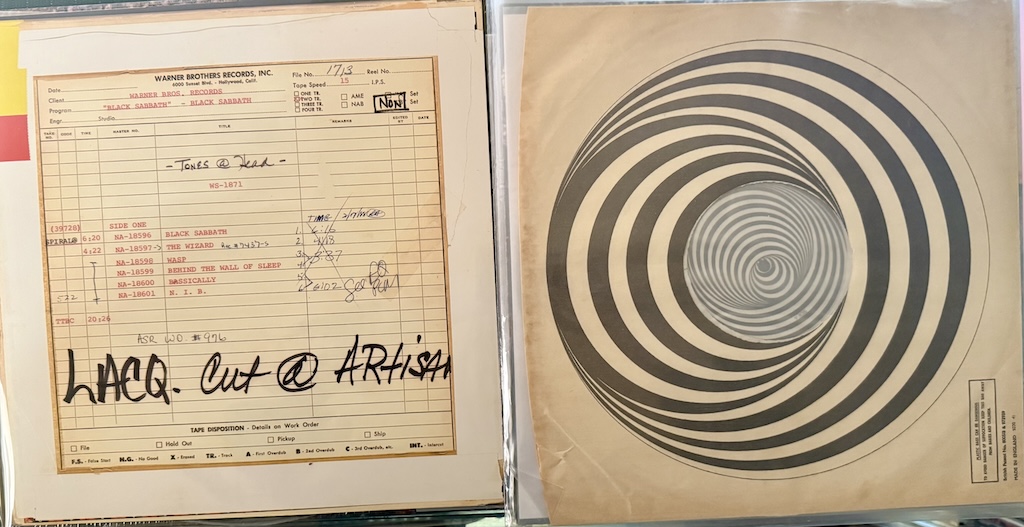
I use the term OG as shorthand for an original copy, which is, in some ways, a misnomer. If I were buying early Black Sabbath albums, the OGs would surely be the original UK Swirl pressings (the earlier the better as denoted by certain telltales on the label, dead wax and packaging), although the first US pressings on Warner Green are “OG” for the US market. Today, the more recent Rhino reissues seem to scratch that itch without the heavy tariff or worries about playing condition.
Price and Grade Inflation of the OGs
In many cases, the “grails” are often now out of reach on price if not availability, which forces people to buy reissues. And those now often come at a price as well. Nothing wrong with the “all analog,” from the master tape to the lathe (1), cut using minimal compression by a top engineer and pressed on high quality vinyl. But with nominal prices in the $125-150 range for some of the upper tier “audiophile” issues, these may be out of reach to many buyers too. Presumably, with vinyl, most buyers don’t want to sacrifice sound quality if they aren’t limited by budget constraints or availability.
At the same time, digital has improved. Vastly. For modern recordings, this is the common currency today, not the vinyl LP, which is treated as a specialty item often sold for some intrinsic value that has little to do with sonics. (I assume readers know of surveys showing a large percentage of vinyl record buyers don’t even own turntables). Streaming is now not just a cost effective way to gain exposure to “new to you” music but is treated as an “audiophile” quality medium, despite whatever misgivings I may have about (the lack of) depth of catalog and questions over precisely what “master” one is listening to, see note 1, below.
Old School v. New School- Today’s Market
To my mind there is a “modern” vs. “archaic” approach to music listening. (Leave aside the notion that the very existence of a vinyl product suggests analog warmth—that’s simply not true as many of you have experienced with questionable reissues or ones marketed to the “merch”/collectible crowd).
The “buy half a dozen pressings and compare them yourself” approach is largely archaic now, if only due to cost and availability constraints. (Set aside, for the moment, other considerable factors like differences in the original recording, source material, mastering, surface noise, and condition.)
Is it Analog? Does it Matter?
One big issue for buyers is whether the record is truly analog sourced from tape to lathe. Not all “audiophile” records follow that old school all analog approach. “From the analog tape” stickers and legends do not tell you anything. Absent clear and convincing evidence that the record was sourced directly from the master tape, it is generally presumed that some digital process is involved in its creation.
I’m not against digital sourcing of remasters of old analog material if it is the best source. That should dispose of any kerfuffle over the MoFi issue (2) as well as many hard to source originals which are welcomed as reissues despite less than ideal sourcing—e.g. needle drops, or digital transfers. The Jothan Callins reissue of Winds of Change may be one such example. (I did reach out to the label but got no answer on sourcing) It is a great sounding reissue which makes a legendary spiritual jazz rarity available to mortals. Let’s say we’re agnostic on this.
How We Listen Today and Benchmarks-Common Ground?
Though I’ve got a few plates spinning already, let me add one more—how we listen and what our benchmarks are. I harken back to the days of shared listening events in the same room over the same system—whether we are evaluating a “new” component, listening to a record and comparing it with another copy, or simply enjoying a given system. We all were subject to the same reproduction/playback performance in the same room at the same time, with whatever controls existed. Although each listener may “experience” such an event differently, and come out with a different preference, we shared a baseline and could trade notes and exchange views on what we all heard together.
Today, we are siloed, and to the extent people rely on reviewers, there are all these abstract concepts that describe specific artifacts, like “micro-dynamics” and “laser sharp imaging” or “soundstage” or “hyper-resolving” which are not self-defining.
Forensic Systems and Improved Cutting -What are We Listening For?
I believe today’s market leans toward a forensic approach to listening—inert speaker cabinets, low efficiency designs, requiring considerable solid state power which yields a “very black background” from which details emerge dramatically, with spectacularity, rather than a calm unfolding of a musical performance. It may be good hi-fi, but to my ears, the forensic approach doesn’t sound like real instruments in a club or venue. That may be partly personal preference too- some listeners like a very analytic, detailed presentation.
But I don’t consider “hyper-resolving” as a positive— it isn’t what real instruments sound like in a performing space. The record buying public are told what attributes they should listen for, but those are an abstraction —constantly bandied about in reviews and in marketing material. Yet it is left to the listener—in isolation, with a reviewer’s written or audiovisual commentary (sound is not revealed in these videos for many reasons), and some guidance by dealers, YouTube reviewers and others who probably run a range from scrupulous and seasoned to “sales persons” “ social media influencers” and “brand ambassadors.”
My point here is that listeners have no common baseline and what they are told is “good” is very forensic, promoted by the industry– manufacturers and press alike –as state of the art. If I were a cynic, I’d say this type of sound makes sales demonstrations easier and sales quicker. Contrast that with my usual evaluation process- which takes time, over a wide variety of material.
Vinyl has all the earmarks of a vital live performance at its best, but it takes an awful lot to get there—good source, mastering, pressing without flaws, clean, a unmolested copy (no warps, surface noise, groove chew or scratches), properly set up turntable, cartridge, good phono stage, correct voicing and all the electro-mechanical details of introducing a transducer in a system setting that requires some skill.
It took me quite some time to really dial in my main system—a process that began around 2006. That refinement was informed by a lifetime of accumulation, having built a collection of around 17,000 records starting in the ’60s before winnowing it down for the move to Texas. (3) The higher threshold in today’s record market is not just one of price- it is also a paucity of good, clean, noise-free unmolested copies. New pressings are not free of defects and older copies are subject to the mostly unknown vagaries of past (mis)use.
This is not a plug and play process even to somebody with a modicum of experience – and may involve increasingly lost skills or ones which aren’t exercised as much these days. It also takes money, time, space and effort to curate- which does not match the pace and style of our “modern” life. (To be clear, I’m not according any “golden ears” credentials to myself or others- most of the differences I’ve heard in different recording comparisons are readily apparent to anybody who knows what to listen for over a decent system).
How does one make informed decisions in the realm of records? It is purely a value proposition? Is there some sonic measure here that plays a role, and if so, at what cost? This takes us back to how we build a collection today.
Sonics and Budget
A better sounding record will probably sound better over your system, regardless the “school” of audio to which you subscribe (more modern, “forensic” or older school, bandwidth limited but tonally “rich”). Those modern remasters have genuinely greater high frequency information and more real bass slam due to refinements in mastering equipment. They are going to sound better, overall, to most people. I think they will be very appealing on the bigger forensic systems that can deliver a full sized, full volume perspective without being taxed. And at the point where you literally hit the limit, you are probably facing room size issues, if not amplifier limitations. The biggest drawback I hear—and it is hard to generalize—is the lack of the natural harmonic envelope that you hear in minimally mic’d recordings that capture the recording venue—something you don’t hear on highly produced records. That’s a generalization, at best, and not something all “older” records capture given the nature of the recording process, microphone techniques, overdubbing and other factors.
Early digital recordings to my ears also had a grainy, plasticky aspect that is largely absent in a lot of more modern recordings, though this is a generalization too- compare Rickie Lee Jones’ Girl at Her Volcano (good) with Pirates (intolerably strident). That much, with digital, has improved, at least in capable hands. Sometimes, the older copies convey more of that harmonic atmosphere and aura than the newer, more modern reissues. That’s often where my preference/bias kicks in to favor the older copy, but that’s only one factor.
The older, gentler records that convey tone, particularly in classical material like the great Deccas and EMIs from back in the day, are simply mic’d and can sound “big” on any large system but may not have the dramatic oomph for smaller set ups. They may not do as well with musically congested passages. Modern recordings/remasters may fare better here—and are in some ways what the more modern forensic systems demand—though I’m not sure they sound more “real” or more like actual instruments.

And there’s the catch. I don’t think you can generalize. You must take each recording on its own. You can make some general observations about more modern masters assuming they are done “well”—most people sort this by looking for brand names like Bernie Grundman and Kevin Gray.
System Dependencies
Much is also system dependent. I’m reminded of my original foray into the old MoFis cut by Stan Ricker. They sounded phenomenal on my old Quads with ribbons and a sub or two—the EQ matched the shortcomings of that set up, which was pretty killer in the mid-late ‘70s- great midrange, lacking in bass gravitas and some high frequency extension. The common criticism of most of those records, in retrospect, was its “smiley face” EQ.
I eventually abandoned that system for a later Quad/tube set up before switching to horns (but the Quads, restored, remain as part of my vintage system in another room). The punchline is that the system is going to define what records sound better to the point of the system’s limitations. Once I got a full range system that could deliver both the range of frequencies as well as the dynamic impact, those old MoFi pressings sounded jiggered. (Some, like the Rickie Lee Jones’ debut, still sound great, but the bone stock copies of that record are terrific sounding).
Old/Modern Systems and Recordings
Are modern recordings with greater bandwidth more suitable for “modern” systems that are forensic in nature? And what about the obverse? Are the old school systems, tubes and horns- which roll off and may or may not reproduce the last word in bass—better suited for recordings of the period? Or do the modern systems reveal the shortcomings of the earlier recordings? Are the old school systems just more polite, more forgiving, and act as a sort of filter?
Not so fast. A good recording is a good recording. I can play something on the vintage Quad system, limited though it is in bandwidth and dynamic range, and though it is quite forgiving, it is also very transparent sounding in the midrange. The same recording that sounds good on the Quad system can also sound terrific on my bigger horn based system that has been tweaked, supplemented with big subwoofers and DSP’d on the subs. I’ve done a lot of tube rolling. I’ve made some changes in cartridges over the last several years. But both systems will play the older, golden era masters with aplomb. They sound glorious if less bombastic (with a few exceptions, LZII RL is freight train no matter what system it is played on—your limit is your system in some ways, not the record).
Add one more limitation—one’s hearing. Mine rolls off. I’m 71 years old and know I can’t hear meaningfully about 12kHz or so. Which means that some of the high frequencies are probably lost on me. Does that make any view I have suspect due to age-related hearing diminishment?
I don’t think so only because, for me, even at the age of 20, the midrange was the “tell.” I got the Quads when I was under 20 years old and could always abide shortcomings in bandwidth far more easily than a grainy or cocked up midrange. I think that’s still probably true today, if my biases remain along with my aging ear/brain. While you may regard this as pure rationalization on my part, look up the amount of musical energy above, say, 10kHz in most music—you’ll see that the distribution is far more midrange centered. So, the old trope about aging audiophiles may be just that—leaving aside someone who suffers from more serious hearing disabilities.
As to whether the OG invariably betters the remasters, I can give you countless examples of compromised recordings that were improved in later issues- look at the Aqualung shoot-out I did here some years ago, taking account of a Steven Wilson remix, a number of different audiophile cuts, including the cherished Hoffman DCC and some very early Warner pressings, among many others. I also found sleeper copies on interim pressings that were never recognized as important –a ‘80s reissue of Lynyrd Skynyrd’s first album that did not have the allure or the embedded paper detritus of a Sounds of the South original. 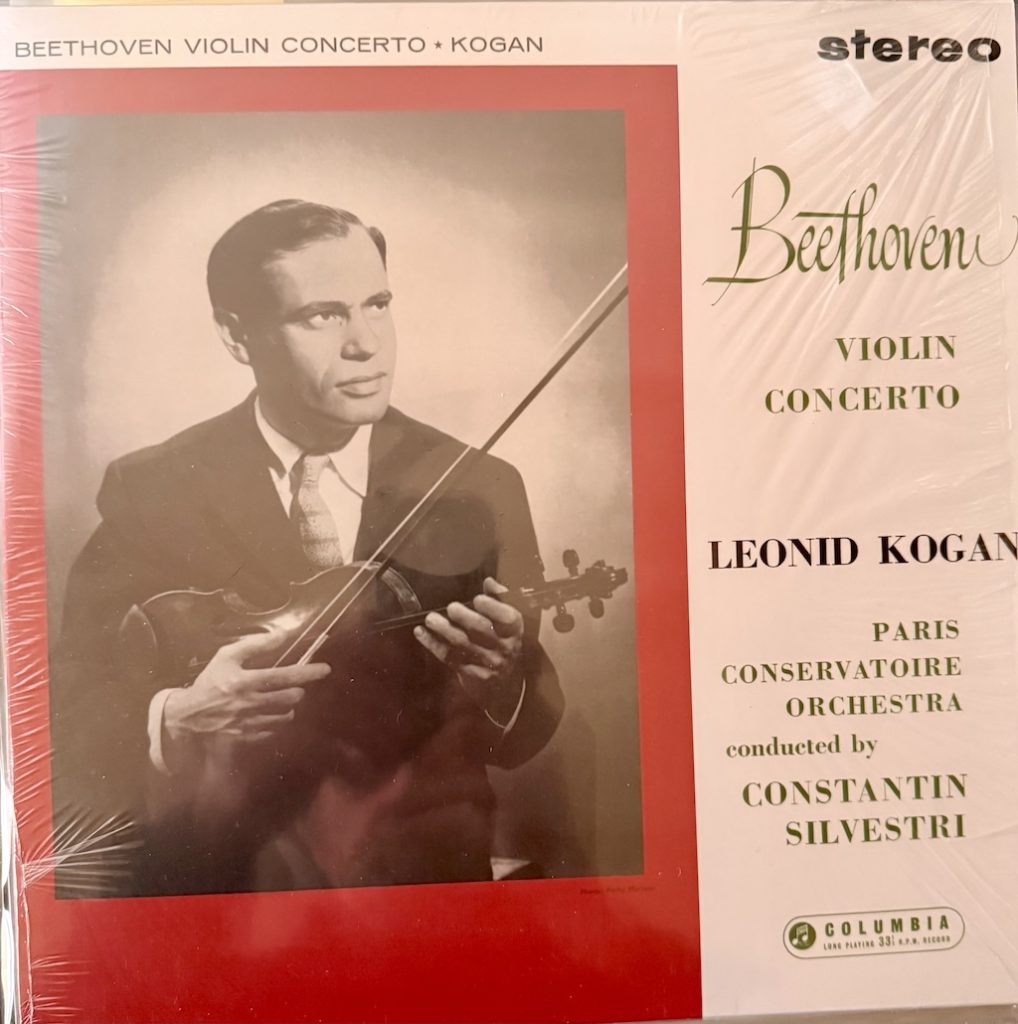
This whole divide that I seem to face constantly in record buying/comparing and writing about the subject is made much more difficult because of the cost and condition of used records. People want the safe choice, not a noisy specimen with risks associated with older, used copies of uncertain origin purchased from small or private sellers. Shipping alone can now be a killer, especially if buying from overseas.
I do think pristine inventory is scarce these days in part because collectors and people who bought in are holding until they cycle out due to age. Look at me as an example. And since the money can be made trading in lesser copies, that’s where the market has gone.
I understand how the current buyer reconciles the dilemma by choosing the modern remaster — hard to fault them — but it is limiting, both in terms of the knowledge base (“just buy from the pre-orders list with the right to return for defects”) and end results, if a comparison is made. There are benefits, but the new issue may be from an aged tape, a digital source or compromised mastering or pressing. Just buying the new issue also doesn’t involve the rigors of comparison, which hones listening skills. (I know some readers would willing skip the toil and expense). Even when records were easier and cheaper to obtain, many did not want to go through this comparison and curation process.
New to You Music
One answer is to look for ‘new to you’ music — not the warhorses. You learn, you are exposed, you aren’t buying the hyped copies. There are so many great records, you could spend a lifetime doing this.
Obviously, that doesn’t address the person who is backfilling a collection with recognized warhorses — either they pay the OG price (with all that comes along with it), buy the “right” remaster or blindly resort to a reissue, also often at a price. The trend seems to be reissues and remasters these days for the reasons described above.
The epistemic question
How do people know about those more elusive sleeper “interim” copies? Either they research — sometimes, the older Hoffman threads address this — they do the shootouts themselves (now time and money prohibitive), or they take someone’s word for it. My aim has typically been to provide readers with the methodology to do this themselves, on their own systems. Maybe that means borrowing a known exceptional copy for a baseline — not easy to do either. Otherwise, you are relying on someone else’s opinion. Here, I prefer the consensus of crowd-sourced comparisons – something older Hoffman forum threads offered in considerable detail.
Without trustworthy anecdotal guidance, it may be a shot in the dark, but I have found such sleeper copies at low enough cost over the years to justify the additional outlay required for a multi-copy shoot-out. One cost effective way to do this is to share the burden of buying copies among friends in close enough proximity that you can conduct group listening sessions; identify the preferred copy and sell off the rest. The time, effort and cost may be spread among several of you, to lessen the real “cost.”
Public listening sessions
This would be worth the “public listening” session — I know a few do this on YouTube, but it doesn’t carry through the compression engines used to deliver many user-uploaded videos. Doing a listening shootout publicly — at a dealer’s, with a host made up of some record dealers and collectors willing to contribute time and copies — is still a limited audience, but I guess that could be video recorded (tough to clear the sync or music rights to these video recordings but that raises yet another hurdle and I’m searching for solutions). It’s a lot of effort, and the ‘live’ part of it is possibly the most valuable, at least in an ideal world. But it is still just a handful of people, and hard to recreate in multiple venues.
The hi-fi show is a possible live venue. The criticism about the choice of system applies not only to the YouTube demo but to the live one too — it isn’t a replication of the user’s own system. But this may be the best we have. It would be interesting to have “listening shows” as an accompaniment to the gear shows- but I suspect the gear is really the draw.
Tentative Conclusions
I often wonder, even if money and availability weren’t an issue—they were not obstacles when I started seriously curating my record collection in the early aughts—whether most people would bother or would simply buy the new, easy to return reissue and call it a day. I suspect I’m right. What I focus on is, by its nature, obsessive. Some may be able to afford to have dealers or intermediaries curate collections for them—I’ve known people on both sides of this endeavor, but it is a rich man’s sport. The challenge remains for those of us seeking the best sounding copies without paying extraordinary amounts. Although the goal is quality over quantity, it’s nice to have a deep catalog of selections to turn to. In the past, I’ve bought collections, knowing I would offload a fair amount—less to make money and more to open shelf space.
I guess the easiest answers start with knowing what kind of listener you are; getting an opportunity to sample some of the grail recordings if only to understand the “why” of it, from dealers, hi-fi stores and private audiophiles; in my experience, audiophiles are often generous and willing to share the experience. And skipping the “placeholder” copy altogether if it is a record you treasure; search out the best copy you can afford. What is “best”? Ultimately, there is no substitute for individual judgment, something that is harder to come by these days. Don’t take my word for it.
Bill Hart
September, 2026
________________________________________________
(1) “Which master” could be the subject of its own article- something considered in the better analog remasters—trying to find the true source tape of the mixdown (assuming stereo) from which the original pressings in each country were made. That itself can be a complicated question, but for our purposes, let’s assume that very act of digitizing changes things, and in the case of streaming services, we often don’t know the source of the copy being offered. This poses the very same tension as that which arises in the context of “modern” v. ‘archaic” listening.
(2) Not going to reprise that whole debacle but to me, it was two issues that got conflated: whether the company was transparent about DSD sourcing of master copies and whether that step was better than a tape transfer and essentially undetectable with no discernible digital artifacts.
(3) For what it’s worth I think “system building” is truly the dark art of this hobby on the user side, but that’s another story.
Leave a Reply
You must be logged in to post a comment.